The Most Common Refrigeration Unit Failures in Summer, And How to Prevent Them
 Written by Abby Bolger
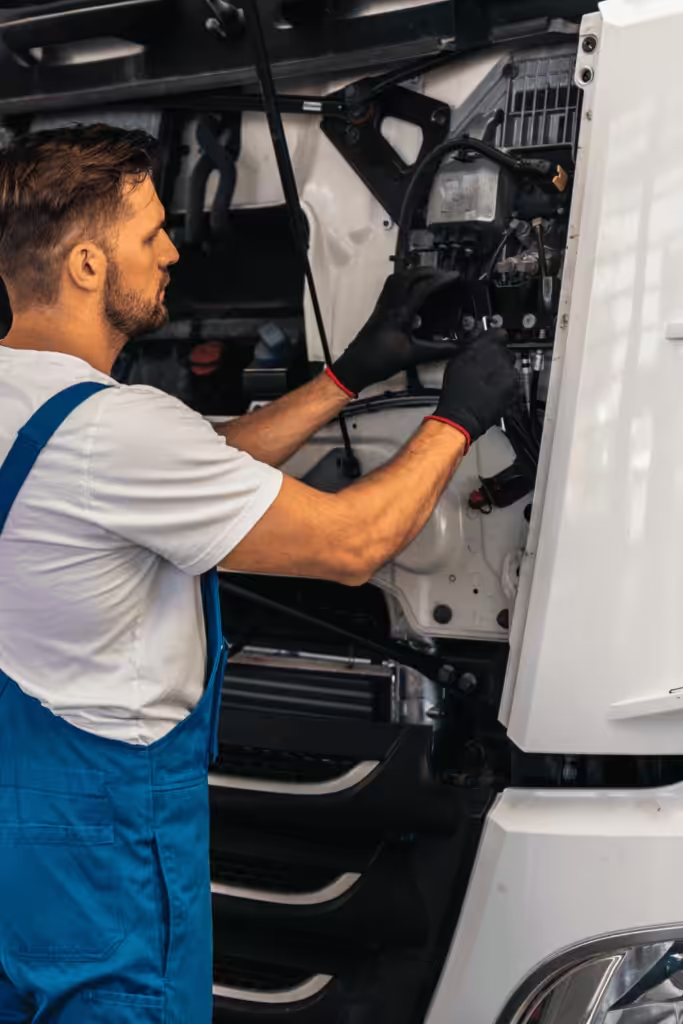
Hot weather puts serious pressure on refrigerated trucks, especially when they’re operating long hours, carrying sensitive goods, or working in hotter climates such as Southern Africa. When temperatures rise, refrigeration failures become far more common, leading to spoiled cargo, costly delays, and expensive repair work.
At GRC Trucks, we regularly supply used refrigerated trucks for export and speak with operators across logistics, food distribution, pharmaceuticals, and cold-chain transport. The same problems come up time and time again, and the good news is that most can be prevented with proper maintenance and preparation.
Here are the most common refrigeration unit failures in the heat, and what you can do to avoid them.
1. Compressor Overheating
The problem
High temperatures make compressors work harder, increasing the risk of overheating. When a compressor overheats, the unit can shut down completely or begin cooling inefficiently, a major issue when carrying perishable goods.
Prevention
- Clean condenser coils regularly to improve airflow.
- Ensure fans and belts are working correctly.
- Avoid prolonged door openings, which force the compressor to overwork.
- Keep the vehicle serviced according to manufacturer guidance.
A well-maintained compressor is critical for stable cooling performance.
2. Refrigerant Leaks
The problem
Refrigerant levels drop more quickly in summer, particularly in older units or those with worn seals and hoses. Low refrigerant results in weak cooling or total loss of temperature control.
Prevention
- Check hoses, seals, and fittings for signs of damage or corrosion.
- Monitor cooling performance, slow pull-down temperatures often indicate early leaks.
- Have the unit pressure-tested before peak summer usage.
Routine leak checks are far cheaper than a failed delivery and a ruined load.
3. Sensor & Thermostat Faults
The problem
Temperature sensors can fail or give inaccurate readings when exposed to extreme heat. A faulty sensor can cause the refrigeration unit to cycle incorrectly, run constantly, or fail to maintain the set temperature.
Prevention
- Calibrate sensors and thermostats as part of regular servicing.
- Replace damaged or unreliable components immediately.
- Avoid positioning temperature probes near hot air flows or direct sunlight inside the load compartment.
Accurate temperature control is essential for regulatory compliance and cargo integrity.
4. Blocked Airflow
The problem
Blocked vents, dirty evaporators, and poorly packed cargo restrict airflow, making the unit work harder to cool the load. In summer, restricted airflow quickly leads to hot spots and load spoilage.
Prevention
- Clean evaporators, fans, and vents frequently.
- Train loaders to stack goods without blocking air circulation.
- Maintain correct cargo spacing to allow cold air to circulate.
Even the best refrigeration unit will struggle if the airflow is obstructed.
5. Battery & Electrical Failures
The problem
Heat accelerates battery degradation, and electrical systems under strain can fail without warning. Loose connections, weak batteries, or worn wiring increase the risk of breakdowns.
Prevention
- Perform full electrical system inspections before summer.
- Check alternators, fuses, cables, and battery health.
- Keep terminals clean and corrosion-free.
Electrical issues are a leading cause of roadside refrigeration failures, and all are preventable.
6. Door Seal Deterioration
The problem
Worn or damaged door seals let warm air into the cargo area. In summer, even small gaps dramatically increase the load on the refrigeration unit and raise internal temperatures.
Prevention
- Inspect door seals for cracks, tears, or compression damage.
- Replace seals that no longer fit snugly.
- Ensure drivers avoid unnecessary door openings during hot conditions.
Good seals reduce strain on the system and improve fuel efficiency.
7. Poor Pre-Cooling Practices
The problem
Loading warm goods into an un-cooled trailer is one of the quickest ways to force a refrigeration unit to fail, especially in high summer temperatures.
Prevention
- Pre-cool the vehicle to the correct temperature before loading.
- Load goods quickly, keeping doors closed as much as possible.
- Ensure products are already cooled to the required temperature before loading.
Refrigeration units are designed to maintain temperature, not pull down a warm load.
How GRC Trucks Helps Operators Stay Summer-Ready
Whether you’re operating in the UK or running fleets across Namibia, Botswana, Zambia, or West Africa, GRC Trucks supplies reliable used refrigerated trucks checked and ready for export.
We provide:
- Shipping and documentation support for African destinations
Every reefer truck we export is prepared to cope with tougher climates and long-distance distribution demands.
Reduce Breakdowns. Protect Your Cargo. Stay Operational.
Most summer refrigeration failures can be avoided with planned maintenance, proper loading practices, and early system checks. A small investment in preparation helps avoid costly breakdowns and protects your cold-chain operation throughout the hottest months.
If you’re looking for a dependable used refrigerated truck for export, or want guidance on choosing the right unit for your business, GRC Trucks is here to help.
Get in touch today for current stock, prices, or advice on shipping to your destination.